
 Written by
 Achiote in Yucatan Cuisine
Today, we’ll be exploring the world of Yucatan Cuisine and one of its most important ingredients: Achiote. Achiote is a red-orange spice paste made from annatto seeds, spices, vinegar, or citrus juice. It’s a staple ingredient in many traditional Yucatecan dishes, and its unique flavor and color make it a beloved part of the region’s culinary heritage. Throughout this presentation, we’ll be discussing what exactly achiote is, its history in Yucatan Cuisine, its health benefits, and how it’s used in modern cooking. So sit back, relax, and get ready to learn all about this fascinating ingredient!
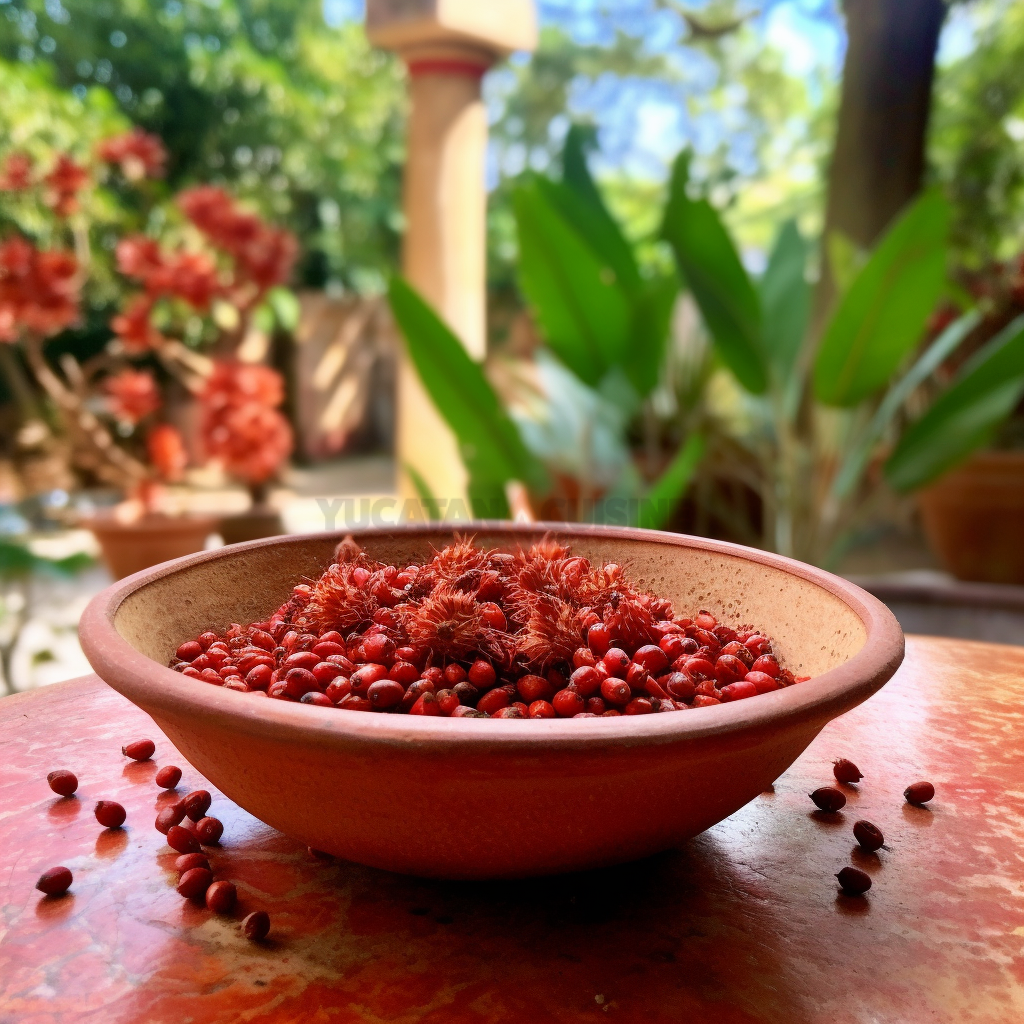
As I continue my tasty exploration of achiote in Yucatan Cuisine, it’s important to consider the visual impact that this ingredient has on the dishes it’s used in. The rich red-orange color of achiote is not only visually striking, but it also serves as a symbol of the region’s culinary heritage. By changing the image of achiote from a simple spice paste to a detailed picture, we can better appreciate the complexity and beauty of this beloved ingredient. From the intricate patterns of the annatto seeds to the subtle variations in color and texture, a picture of achiote truly captures the essence of Yucatan Cuisine.
What is Achiote?
As mentioned earlier, achiote is a spice paste made from annatto seeds, spices, vinegar, or citrus juice. It has a distinct red-orange color and a slightly sweet, earthy flavor that pairs well with many different foods. Achiote has been used in Yucatan Cuisine for centuries, but its origins can actually be traced back to the indigenous people of South America, who used annatto seeds as a natural dye for textiles and body paint. Today, achiote is used in a wide variety of Yucatecan dishes, including cochinita pibil (slow-roasted pork), pollo pibil (slow-roasted chicken), and Tikin-Xic (Fish cooked with achiote). The spice paste is typically rubbed onto meat or fish before cooking, giving it a beautiful color and flavor.

The History of Achiote in Yucatan Cuisine
Achiote has been an important part of Yucatan Cuisine for centuries, dating back to the time of the ancient Maya civilization. The Maya used annatto seeds not only as a natural dye but also as a medicine and a food preservative. When the Spanish arrived in the Yucatan Peninsula in the 16th century, they brought with them new ingredients and cooking techniques that were eventually incorporated into traditional Yucatan Cuisine. Today, achiote remains an integral part of Yucatecan culture and cuisine. It’s used in both traditional and modern dishes, and its unique flavor and color continue to captivate diners around the world.
Health Benefits of Achiote
In addition to its delicious flavor, achiote also has a number of health benefits. For one, it’s rich in antioxidants, which can help protect against cell damage and reduce the risk of chronic diseases like cancer and heart disease. Achiote also contains anti-inflammatory compounds, which can help reduce inflammation in the body and alleviate symptoms of conditions like arthritis. If you’re looking to incorporate achiote into your diet, there are plenty of ways to do so. Try rubbing it onto chicken or fish before grilling, or mix it into a marinade for pork or beef. You can also add achiote to soups, stews, and even salad dressings for an extra burst of flavor.
Achiote in Modern Yucatan Cuisine
While achiote has a long history in traditional Yucatan Cuisine, it’s also found its way into modern cooking. Chefs and restaurateurs around the world are experimenting with achiote in new and exciting ways, incorporating it into fusion dishes that blend international flavors with Yucatecan staples. For example, you might find achiote used in a spicy tuna roll at a sushi restaurant, or mixed into a barbecue sauce at a Southern-style BBQ joint. Even in Yucatan itself, chefs are finding new ways to use achiote in their cooking. Some are using it as a base for marinades and sauces, while others are incorporating it into unexpected dishes like ceviche and vegetarian tacos. No matter how it’s used, achiote continues to be a beloved ingredient in Yucatan Cuisine.
Se acabo!
And that’s a wrap! We hope you’ve enjoyed learning a bit about achiote in Yucatan Cuisine. From its historical roots to its modern applications, this spice paste is truly one of a kind. Whether you’re a seasoned foodie or just starting to explore the world of Yucatecan cooking, we encourage you to try incorporating achiote into your dishes. Who knows? You might just discover your new favorite flavor!
Achiote: The Secret Ingredient in Yucatan Cuisine