
 Written by
 Hey everyone! Today, I want to take you on a flavorful journey through Yucatán Cuisine. This vibrant and diverse culinary tradition has evolved so much over the years, and it’s a fascinating mix of the old and the new. Imagine savoring the smoky aroma of Cochinita Pibil or the zesty punch of Sopa de Lima or lime soup. Wow! bringing it up sounds mouth-watering. ok, Let’s dive into how traditional some Yucatán dishes that have transformed into their modern counterparts while keeping the essence of this beautiful cuisine alive.
The Foundations of Yucatán Cuisine
Traditional Cooking Techniques and Ingredients
Let’s start with the basics. Traditional Yucatán Cuisine is all about using local, fresh ingredients and time-honored cooking techniques that have been passed down through generations. Think achiote (annatto seed), sour orange, and habanero peppers – these are the staples that define many classic dishes.
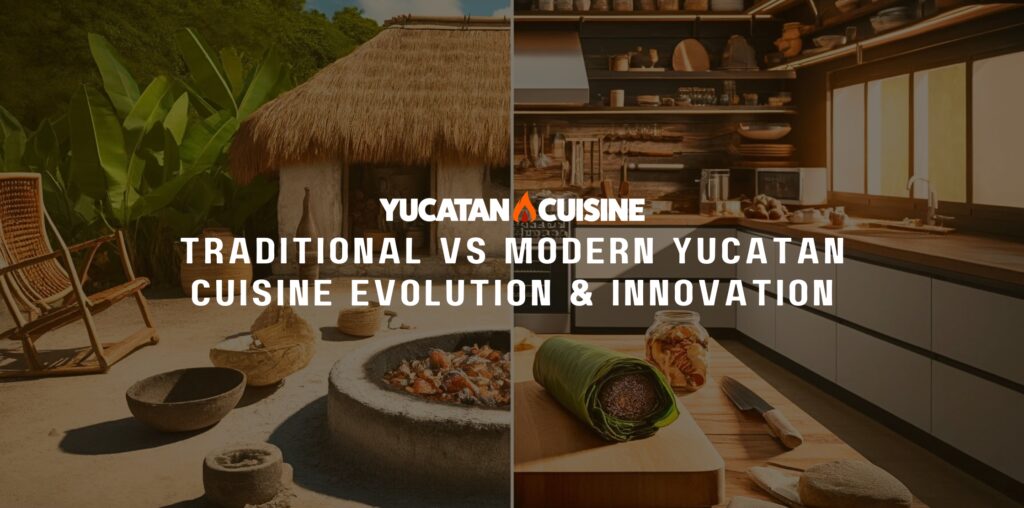
One of the coolest traditional cooking methods is pib, which is basically an underground oven. Picture a hole in the ground lined with hot stones and banana leaves. This is where cochinita pibil, a deliciously marinated pork dish, is slow-cooked to perfection. The meat comes out so tender and flavorful, it’s an experience you won’t forget!
Iconic Traditional Dishes
Some dishes have truly stood the test of time.
Cochinita Pibil: As I mentioned, this is a must-try. Marinated in achiote paste and sour orange juice, it’s traditionally cooked in a pib, giving it that unique, smoky flavor.
Relleno Negro: This black turkey stew might look a bit intense, but it’s packed with flavor thanks to burnt chiles and charred tortillas. It’s hearty and perfect for family gatherings.
Lime Soup (Sopa de Lima): A refreshing chicken broth soup with lime juice and crispy tortilla strips. It’s light, zesty, and incredibly satisfying.
The Modern Twist
Innovations and Influences
As the world gets smaller, Yucatán Cuisine has started to blend with global flavors and techniques. This fusion has led to some exciting and delicious innovations.
Fusion Flavors: You might find traditional recipes with a twist, like a touch of soy sauce in a marinade or quinoa replacing rice. These little changes bring a new dimension to the dishes we love.
Health Consciousness: Nowadays, there’s a big focus on healthier eating. Modern Yucatán dishes often use leaner meats, less fat, and organic ingredients. For example, cochinita pibil can be made with turkey instead of pork.
Vegetarian and Vegan Adaptations: Plant-based diets are all the rage, and Yucatán Cuisine is no exception. Vegan cochinita pibil made with jackfruit is just as flavorful and satisfying.
Modern Techniques
Sous Vide: This technique involves cooking vacuum-sealed food in a water bath at a precise temperature. It’s perfect for achieving the consistent textures and flavors that are sometimes hard to get with traditional methods.
High-Tech Appliances: Modern kitchens are equipped with all kinds of gadgets. From convection ovens to blenders and food processors, these tools make it easier and quicker to prepare delicious meals while preserving traditional flavors.
Contemporary Dishes
Achiote Marinated Grilled Tofu: This dish uses the classic achiote marinade on tofu, creating a delicious vegetarian option that’s grilled to perfection.
Lime Soup with Avocado and Quinoa: A modern take on sopa de lima, this version includes nutrient-rich quinoa and creamy avocado.
Relleno Negro Tacos: Instead of a stew, you get the same great flavors in a convenient taco form. Perfect for a quick meal that doesn’t skimp on taste.
The Cultural Significance
Even with all these changes, the heart of Yucatán Cuisine remains the same. Food is central to community and family life. Traditional dishes are still made for special occasions and festivals, preserving the rich cultural heritage of the region.
Celebrations and Traditions
Hanal Pixán (Day of the Dead): This important festival features traditional foods like mucbipollo, a large tamal filled with chicken or pork and cooked in a pib. Modern versions might have different fillings, but the essence of the dish remains true to its roots.
Community and Family Gatherings: Meals are communal events, with recipes passed down through generations. These gatherings continue to celebrate the rich culinary heritage of Yucatán, even as new dishes emerge.
My view
Yucatán Cuisine has come a long way from its traditional roots to its modern interpretations. The dynamic nature of culinary traditions means that while innovative techniques and global influences have introduced new flavors and methods, the essence of Yucatán Cuisine—its rich history, vibrant ingredients, and communal spirit—remains steadfast. Whether you’re enjoying a traditional cochinita pibil or a modern vegan adaptation, each bite is a testament to the enduring legacy and exciting future of Yucatán Cuisine.