
 Written by
 Yucatan Cuisine: Signature & Iconic Dishes
Yucatan’s cuisine it really has this whole vibe of its own. It pulls away from other Mexican stuff because of those strong Mayan influences, and then over the years, it mixed in tastes from Spain, the Caribbean, and even a bit from the Middle East. You know, when you’re wandering a crowded market in Merida or just hanging out at some family thing in a little town, every single bite hits you with that blend of old history and bold flavors.
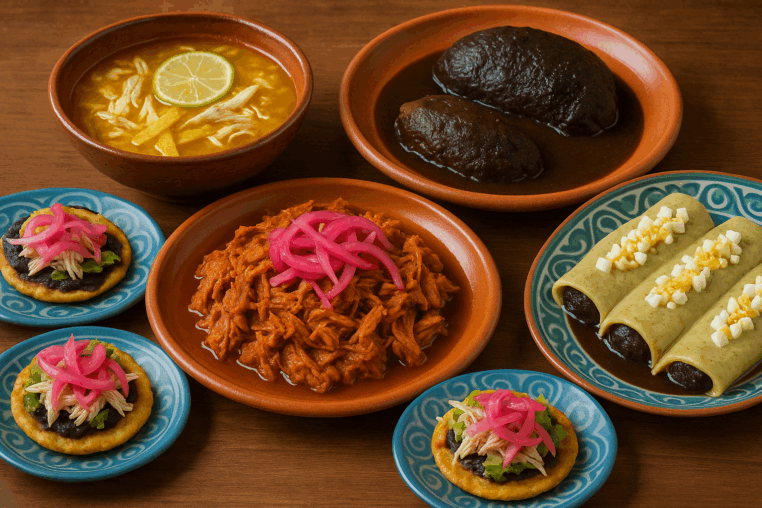
The core of all these eating scenes comes down to a few dishes that locals know from way back, the kind visitors can’t stop thinking about later. These aren’t simple meals or anything. They turn into memories, family traditions, even big celebrations, all right there on your plate. So yeah, today we’re diving into six of the real standouts. Cochinita pibil. Sopa de lima. Papadzules. Relleno negro. Panuchos. And salbutes.
Cochinita Pibil: Traditional Yucatecan Dish
Cochinita pibil. That’s the dish that really stands for Yucatán, you know. It’s pork they marinate in achiote and sour orange juice, then wrap up in banana leaves. After that, it gets slow-cooked, usually in this underground oven they call a pib back in the day.
The whole cooking method dates back to Mayan times. People would slow-roast meats and other stuff right under the ground, mixing in herbs and spices like that. Then the Spanish showed up with pork, and the dish just kind of evolved from there. But the pib idea stuck around. Cochinita turned into this big thing for family meals, or even special events, you see.
The flavor’s what makes it stick in your mind, I mean. Achiote colors the meat this deep red, almost like earth tones. Sour orange brings that sharp citrus kick. And the slow cooking? It keeps everything tender, juicy, not dry at all. Throw in some pickled onions, maybe a touch of habanero, and you’ve got this mix of earthy notes, bright citrus, and real spice hitting you all at once.
You eat it at home on a lazy Sunday or out at some festival. Either way, cochinita pibil ties folks back to their history. And it’s still right there on the table today, pretty much unchanged in spirit.
Sopa de Lima: Iconic Soup of Yucatan Cuisine
Sopa de lima. That’s the comfort food that pops up right away when you think about Yucatán eats. You know, it’s this straightforward chicken soup, and it gets its flavor from the local lime there. That lime’s got this nice fragrance to it, and it’s not as sour as the regular ones folks are used to.
The way it came together is pretty interesting. They mixed up old Mayan stuff with those Spanish broth ideas. So yeah, what ends up in your bowl is warm shredded chicken, some crispy tortilla strips tossed in, and slices of lime just floating around on top. It’s aromatic, like you can smell the whole region in there.
A lot of families treat this soup as more than food, really. You serve it to guests who drop by, or to somebody coming back home after a long time away, or even to a person who’s feeling under the weather and needs some healing. Basically, it’s that bowl of comfort that holds onto a bit of Yucatán’s soul.
Papadzules: Ancient Yucatecan Enchiladas
Papadzules. You know, people call them Mayan enchiladas sometimes. Their story goes way back, like before the Spanish showed up at all. The name it means something like food for noblemen. Tells you right away this stuff was pretty special to them.
So, how do you make them? Take tortillas, dip them in this sauce from ground pumpkin seeds. Stuff them with boiled eggs inside. Then top the whole thing off with some tomato sauce. Those pumpkin seeds, pepitas is what they call them, they were a big deal for the Maya. Not just eating them, but growing them too, is part of their whole farming life and traditions.
These papadzules taste gentle, kind of earthy. Got this nutty flavor going on. Makes them stand out from all the spicy stuff Yucatán’s famous for. I mean, the Maya figured out these sophisticated flavors way back, even without any outside ideas coming in.
Relleno Negro: Classic Mayan Recipe of Yucatan
Relleno negro. That’s one of the coolest dishes from Yucatán, you know. The dark color comes from this recado negro paste. They make it by charring chilies and tortillas, and spices over fire until everything’s almost black.
Fire like that for flavoring. It’s super Mayan, basically. You get these smoky notes mixed with bitter and spicy bits. Makes the stew taste totally unique, nothing like it elsewhere. They usually use turkey or chicken in there. Simmer it all down into something rich and full of flavor. Takes a while and needs patience to get right.
All that effort means relleno negro shows up at special times, mostly. Like family get-togethers or holidays. It’s the kind of food you put love into, with real intention. Rewards whoever cooks it and whoever eats it too.
Panuchos: Traditional Yucatan Street Food
Walk into a market over in Yucatán. Vendors are there frying up these panuchos. They take small tortillas, stuff them with black beans, fry the whole thing, and top it with turkey or chicken, some avocado, onions, and maybe lettuce too.
Panuchos, you know, they’re really meant for sharing around. Nobody eats them by themselves much. Folks order them on platters instead. Great for late-night munching with buddies, or just hanging out with the family.
What makes panuchos so smart, basically, is how simple they keep it all. You’ve got that crisp tortilla shell. Then creamy beans inside. Tangy onions for bite. A bit of salsa to tie it together. Everything packs into this one tiny, but super flavorful, little piece.
Salbutes: Signature Dish of Yucatan Food Culture
When folks dig into panuchos, they usually grab some salbutes right along with them. You know, the two look pretty much alike at first glance. But salbutes come out puffier, lighter somehow. They don’t get stuffed like panuchos do. Instead, you just pile on that tasty topping of turkey, avocado, onions, and lettuce.
Panuchos feel hearty, filling you up quickly. Salbutes, though, are airy and kind of fun to munch on. That difference between them really works well together. So yeah, for anyone traveling through or just living there, mixing up an order of both hits the spot. It is basically the way to dive into Yucatán’s street food scene.
Why These Dishes Define Yucatan Cuisine
These six dishes really capture what Yucatán is all about. You know, they mix in those old Mayan ways of cooking, stuff like using sour oranges and pumpkin seeds from right there in the region. Then there’s the Spanish side, with pork and chicken showing up, and don’t forget how people share food at get-togethers or just out on the streets. It’s all tied together like that.
Each one goes beyond just filling your plate. It’s like a tie to what came before, something that roots you to the place, and a real way to bring folks together in celebration. In Yucatán, food pretty much is the history, it’s the identity, and you taste it in every single bite.
Closing Thoughts
Writing about Yucatecan food. It’s not just about recipes or anything. You have to get the history, the real spirit in every dish. Take cochinita pibil, or sopa de lima, those papadzules, relleno negro, panuchos, salbutes. They’re more than meals, you know. They carry all that old culture, centuries of it, like living traditions.
Taste them in Yucatán if you can. That’s when it hits you, why people love this stuff so much. It brings folks together, tells these stories, sticks with you way after you’re done eating.